Cutting back Pistachios
This week: Meteorological summer; Cutting back Pistachios;

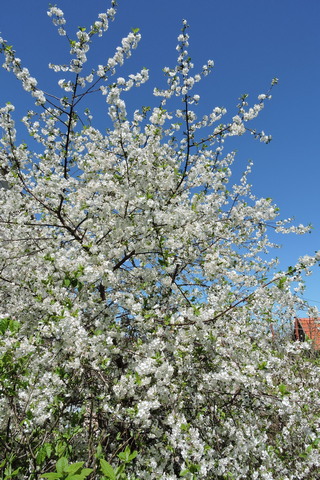
Another of my pet peeves (besides things breaking) is when software is changed and you are not told.
I have spent time tonight trying to recover my blog formatting and eventually gave up. The blog software has been upgraded and I can’t find the controls. Agggggh!
We had 15 mm of very welcome rain on Wednesday. This has meant that I have only had to do spot irrigating this week, on recently planted shrubs and trees, rather than running the underground irrigation systems.
Checking this afternoon, I still have 30% soil moisture according to my citrus orchard sensor. Usually I need to run the drip irrigation once soil moisture reduces to 24% and below.
It has been cooler this week, with temperatures no higher than 25°C, about the average for the first week of June.
The downside to this is that weeds continue to grow quickly.
My spare time has been spent in removing grass before it seeds, together with other weeds which continue to grow. In nature, moisture + warmth = growth!
I thought I had treated all the bramble briars, however I was scratched by yet more thorns in the Top Orchard. So once again, I have been spot treating these wild vandals.
The problem is that around my home, they are growing everywhere on any uncultivated land. They do often have small fruits, which the birds, especially Blackbirds eat. They then spread the seeds far and wide. The trick is to catch the bramble as a small plant.
I have harvested the first of my Morello Cherries this week.
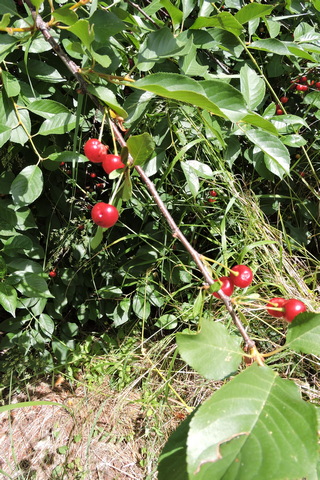
The tree was covered in blossom in the spring and most of it has set and become fruit.
These tart cherries are smaller than the sweet cherries so take longer to pick. I then need to cook them over low heat before preserving them for use in pies or as dessert fruit.
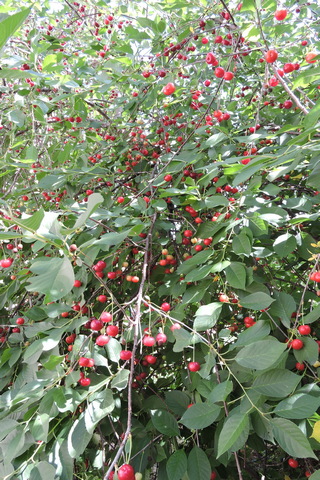
The cool, wet spring means that even though tart, they have developed a really nice flavour and are very juicy.
I have even picked a few of my Black Raspberries this week. They are the only raspberry canes I have found which will grow and even thrive in my dry, clay soil.
Meteorological summer
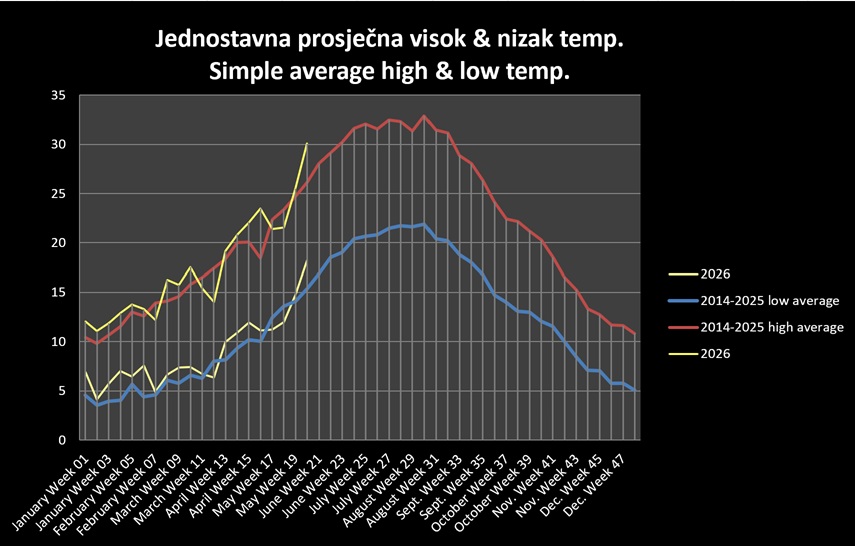
As Monday was the 1st of June, the start of Meteorological summer, I did my usual admin at the start of each month, importing data from my weather station into a spreadsheet.
There were no surprises. The high temperatures in the last week of May are reflected in the average daily temperature being above the long term average.
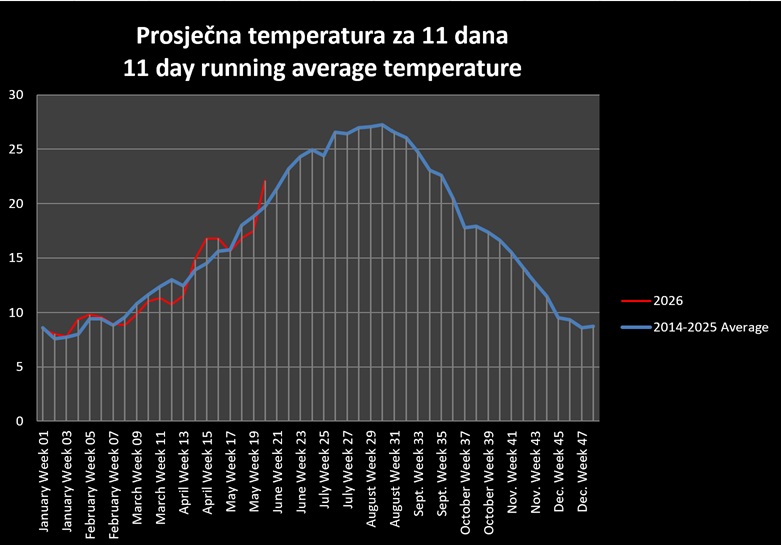
The 11 day average, which is the important temperature for horticulturalists shows a temperature which is very much in line with the average.
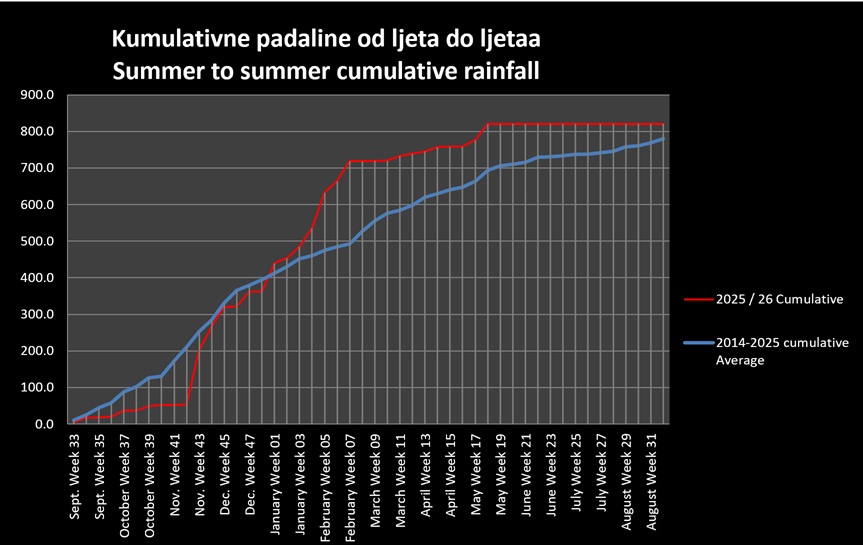
Meanwhile the total precipitation, and this is before this week’s rainfall, is a substantial amount above the average. But I knew that already.
What is being talked about in meteorological circles, is the Super El Niño which is now developing in the eastern Pacific Ocean.
From the beginning of this year when the cold water La Niña broke down very quickly, meteorologists have been saying that 2026 would be an El Niño year.
As temperature data is now coming in, showing that the Pacific is a whole 3°C above average (a huge amount in oceanic terms) a Super El Niño is now developing.
This is going to affect weather on a global scale and it is going to start with the circum-polar Jetstreams.
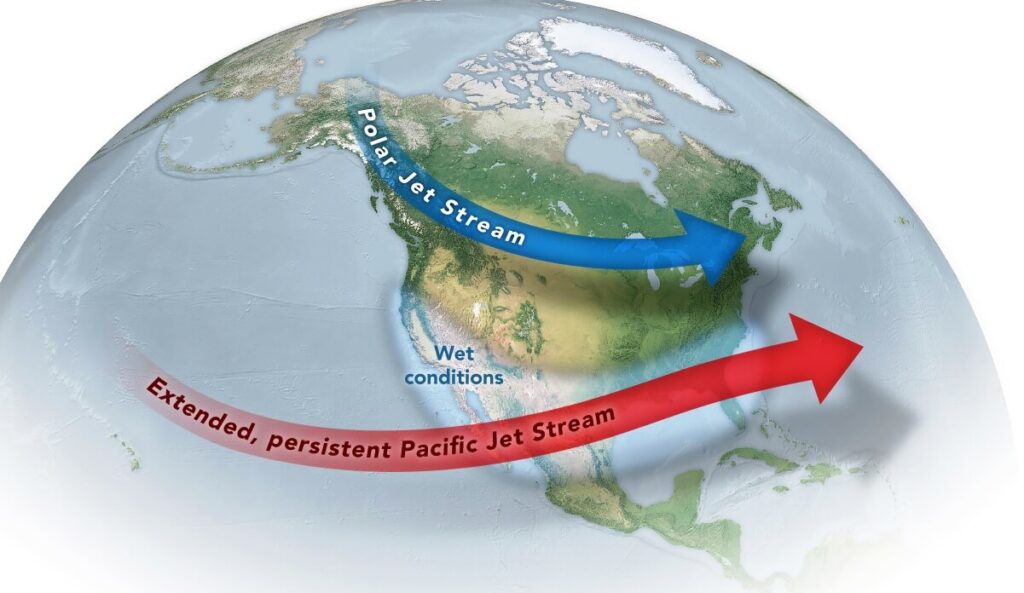
These winds cross continents and oceans and drive weather at ground level. The mid-latitude pacific Jetstream crosses the Atlantic Ocean and depending upon its track will affect areas from the Canary Islands to Northern Europe.
It is very difficult to accurately forecast weather at a local, micro scale over a three month or longer period. However past Super El Niño events suggest that the Mediterranean and southern Europe will be hotter than usual this summer.
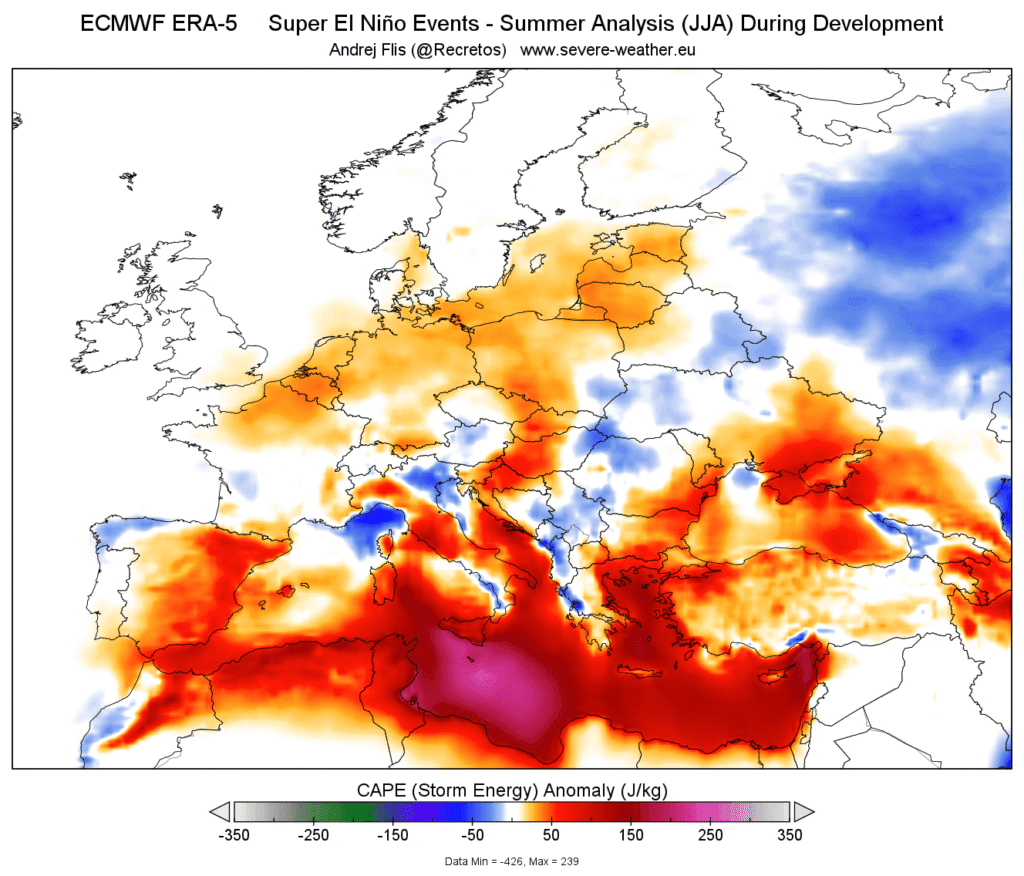
Because recent summer’s we have had have brought temperatures of 39°C even here in Dol, how much hotter will this year be? If I knew that, I’d buy a lottery ticket too…
It is the long term effect of El Niño that the Mediterranean and Europe will feel. The autumn and first part of the winter are likely to be much warmer than usual. Then in 2027, the circumpolar Jetstream is likely to break down bringing cold to Europe, much as we have had this past winter.
Because weather is dynamic, there are a lot of variables which go into the actual weather we get on the ground, but the concensus is that this summer is likely to be hotter and drier that average and both the heat and dryness could well last into later September.
I think I will need to be irrigating very soon!
Cutting back Pistachios
In the East orchard this week, I realised that a wild Pistachio Terebinth, Pistacia terebinthus, has grown considerably and was really overhanging my small kitchen garden.
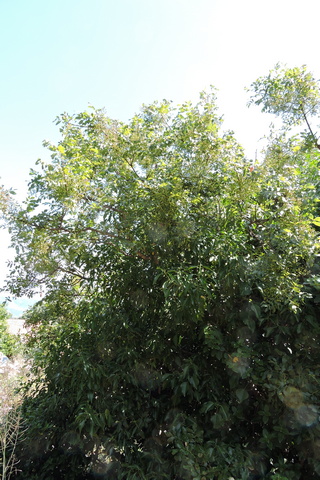
I have planted some flowering shrubs along the boundary wall and they were leaning away from the shade that the tree was causing.
This wild Pistachio is used as the rootstock for many of the commercial Pistachio nut trees, including the three that I have planted.
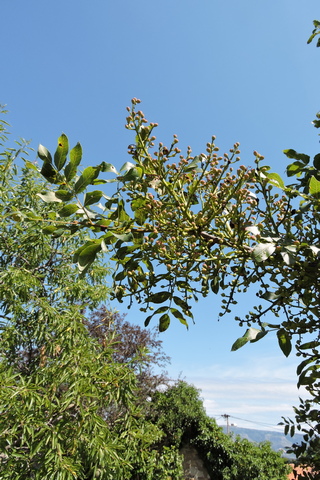
This large multi branched shrub grows to a height of between five and seven meters and has dense bright green foliage. It is deciduous with autumn colours of scarlet, orange and gold.
Pistachio Terebinth is a Mediterranean basin native, with records of its growth going back to early Greek and Hebrew texts. Archaeological evidence suggest the seeds were being used six millennia ago.
Like so many of the food plants, trees and herbs, the Romans spread Pistachio trees across the lands of their empire
In the Levant the fruit and seeds of the wild plant have been used since antiquity.
In Cyprus bread is made with the ground flour. In Crete the fruit flavours a local Brandy and in Türkiye the nuts are roasted and then ground up, before being made into a local strong coffee.
For me, it was the discovery that it is a commercial rootstock for the Pistachio nut that spurred me on to plant my trees.
The added benefit that it is cold hardy and drought resistant which really persuaded me to experiment with trees.
This year, I have a lot of Pistachio nuts forming on the trees.
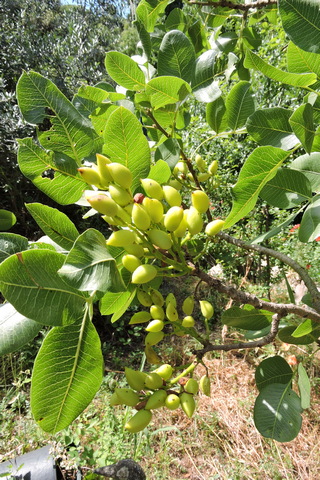
It is only four years since I planted them, so they are little more than two metre tall. It usually takes seven years before trees really begin to produce large quantities of nuts.
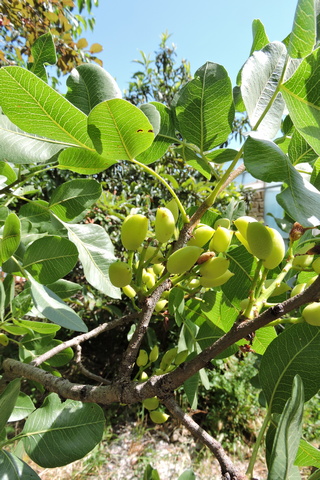
Once in production, the trees are known as “Biennial-bearing”, producing a full crop in alternate years. I hope that having planted different varieties, I might have a crop every year because of the alternate cropping.
A mature tree can produce between 250 and 500 kilogrammes of nuts in their fruiting year.
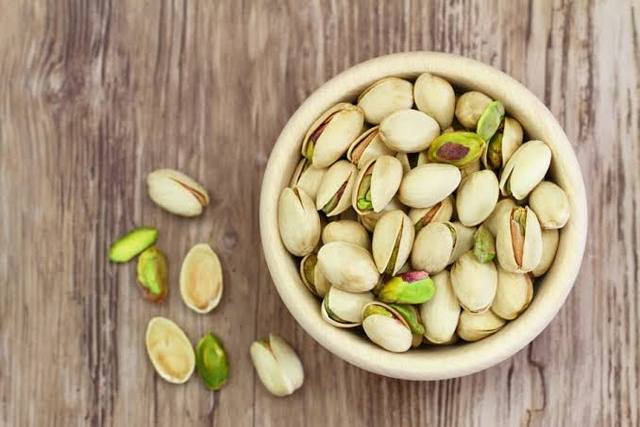
As more scientific research is carried out into the Pistachio, the health benefits of eating the nuts is beginning to be proved.
From being a source of antioxidants to being high in protein and amino acids, to promoting the growth of “good bacteria” in the gut and reducing blood sugar levels, the nut is seen as a health power house.
However because Iran is the leading exporter of the nuts, harvesting more than half a million tons annually, they may be in short supply this year.
I am looking forward to my first real harvest. NCG