So it begins again
This week: Hiding in plain sight; And so it begins again;
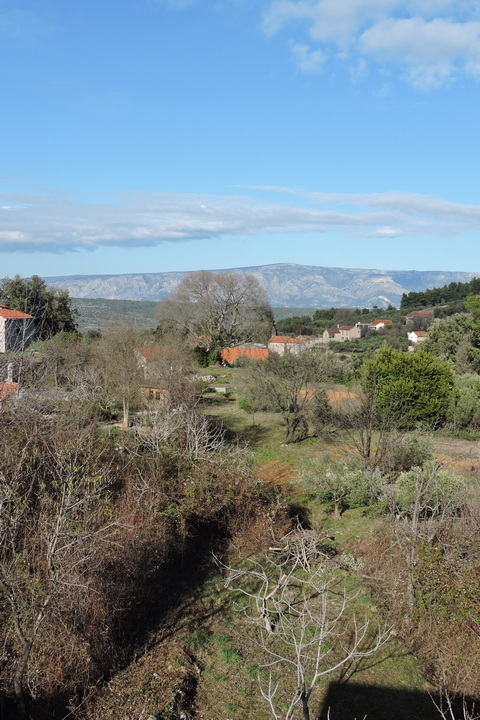
We have had much better weather this week.
The cold Arctic air which has covered most of Europe since Christmas, has moved away to the north east, replaced by warmer Atlantic maritime air.
This has brough heavy dews in the morning, but also sunny and warm days.
After two weeks of 2026, I added this week’s data to my weather spreadsheet. When I looked at the precipitation, I was surprised to see that we are under the average for this point in the winter.
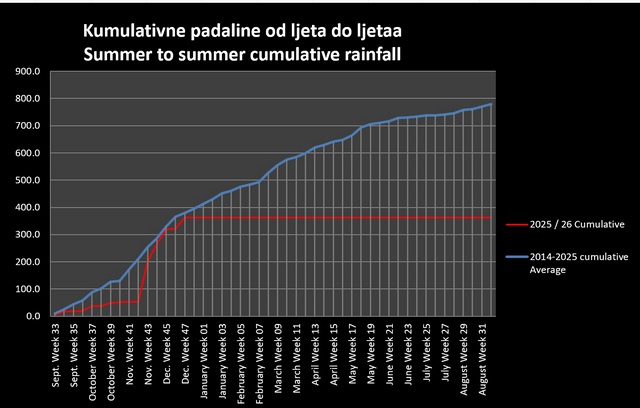
My impression was that November and December had been much wetter than usual. It just shows that you cannot rely on your memory of previous year’s weather.
The chart does confirm that my having to irrigate all through September and October was necessary because it was so dry, was correct. Although our autumnal rains usually start in mid September, last year they were absent.
The 11 day average temperature last week of 8°C is absolutely on the long term average and both the average daily high and low temperatures are only just above the average.
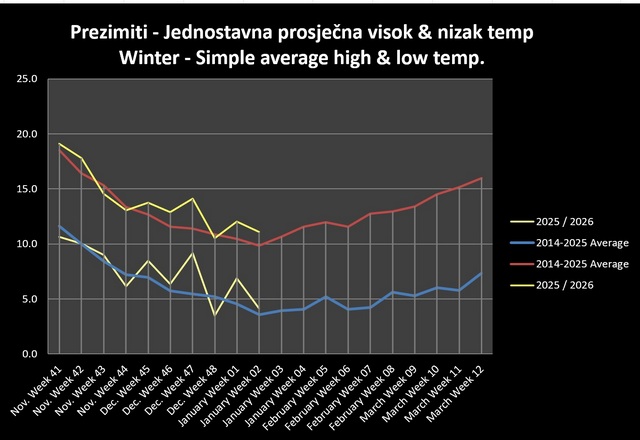
My reading of this is,that as I gather more annual data, especially from recent years, the 7actual figures are more closely matching the average, although temperatures are still increasing each year.
We had the coldest night of the winter overnight on Sunday/Monday when I recorded a temperature of -1.6°C. Hardly cold by northern temperate region’s standards, but still cold for here. At the same time it was -2.8°C in Vrboska.
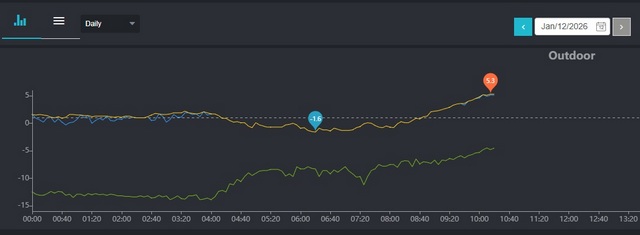
The weather station in Stari Grad has gone off line, however I expect it was even colder there, because it is in a “cold air sink”.
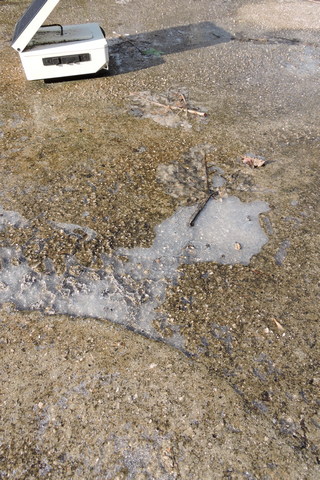
I had a little ice on rainwater which had pooled on the terrace. Usually the past two weeks are the coldest of the year, so now I’m looking forward to warmer, longer days.
I am starting to feel better – not back to normal yet, but better. However I have really not enjoyed the cold and damp of the past six weeks.
In the middle of the week, I had a cubic metre of cut firewood delivered. These are pieces of dry Pine.
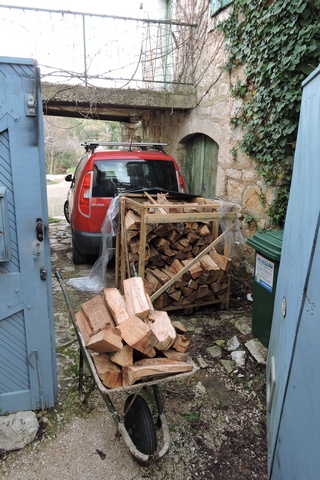
The 33cm chunks of wood needed to be barrowed into my storage area, however this was accomplished in an afternoon.
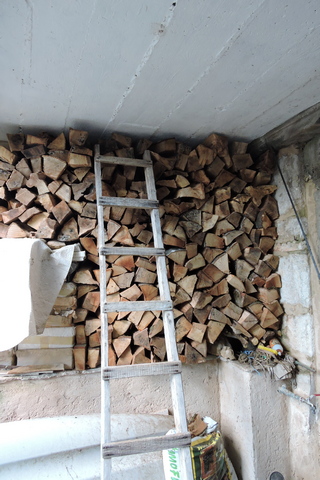
Based on the amount of wood I use for heating my home, I should have enough now to last until the end of the burn season in early March.
Hiding in plain sight
As the winter cold recedes, I have been out in the east orchard again.
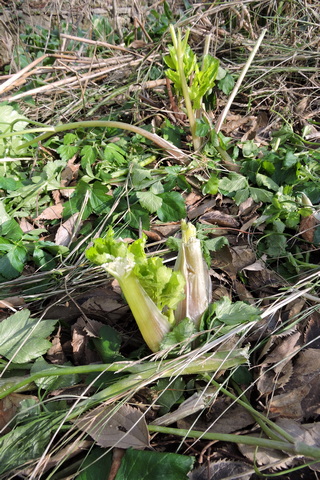
When I looked at the area of weeds I cut last week, several have already sprouted new leaves, despite the cold, where I had cut them back. This made me ask about them on the Mediterranean Gardens Facebook Group.
This group has more than 11,500 knowledgeable members, gardening in the various Mediterranean clime’s worldwide.
It took just minutes for someone to identify my weed as Smyrnium olusatrum, a Mediterranean herb, used for food and prized by foragers….
Known by the common name of Alexanders (or Alisander), it is an edible flowering plant of the family Apiaceae (Celery, Parsley and Carrot), which grows on waste ground and in hedges around the Mediterranean and Atlantic coastal regions of Europe. It was once widely grown as a pot herb.
When you look at the new growth, it looks very much like celery shoots, although I hadn’t recognised it.
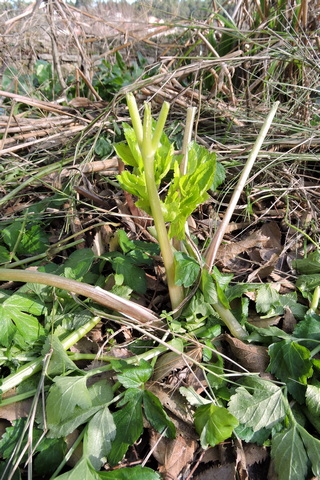
This plant is everywhere. When I walked up through the Maquis this week, the bright green heart shaped leaves were covering both sides of the path.
One blog I have found called Taste the Wild, a good Yorkshire website, recommends using Alexanders in a fish stew.
⁍ 2 cloves of garlic, peeled and crushed
⁍ half a teaspoon of fennel seeds
⁍ 2 leeks washed and sliced
⁍ 50g butter
⁍ 500g new potatoes cut into 2cm pieces
⁍ 1ltr fish stock
⁍ 500g Pollock fillet skinned and cut into chunks
⁍ Salt and Pepper
⁍ ½ cup of mayonnaise
⁍ ½ red chilli chopped finely
⁍ 200g Alexanders stems
I do eat fish, so think I need to try them. I have more than enough Alexanders in my orchards!
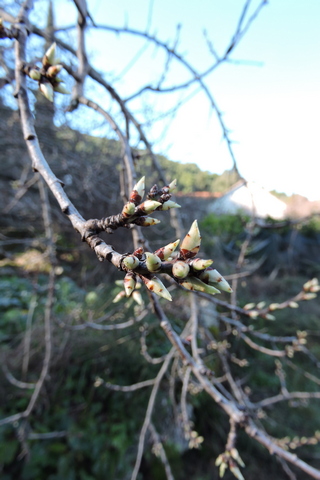
When I looked at my Almond trees, two things stood out this week.
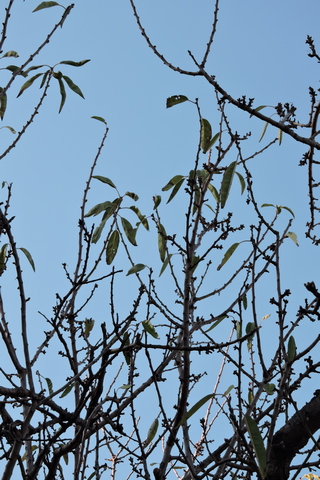
First, there are still a lot of last year’s green leaves still on the crown of the trees. I would have expected that all the leaves would by now have fallen. Secondly, the buds are now really swelling.
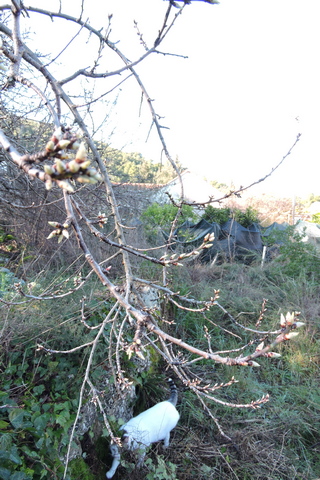
These will be this year’s blossom in about three weeks time.
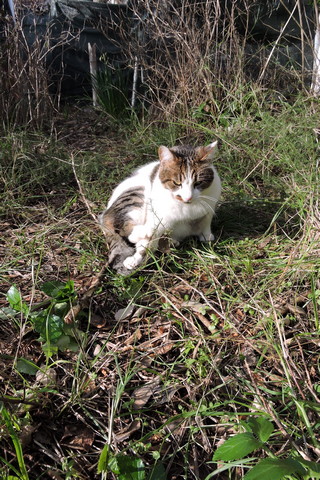
And so it begins again
In the deepest, darkest part of the top orchard, I have been doing some planting…..
Although the soils are still very wet, the arrival of early spring sunshine has allowed me to start planting out the border I constructed last summer.
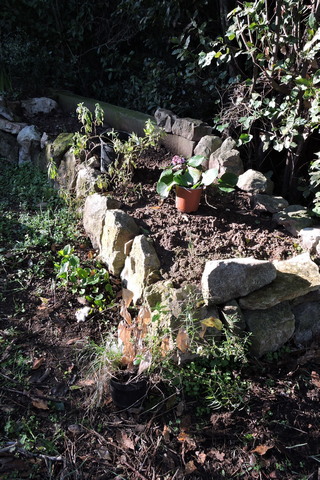
“Last summer…..”, that seems so far away now!
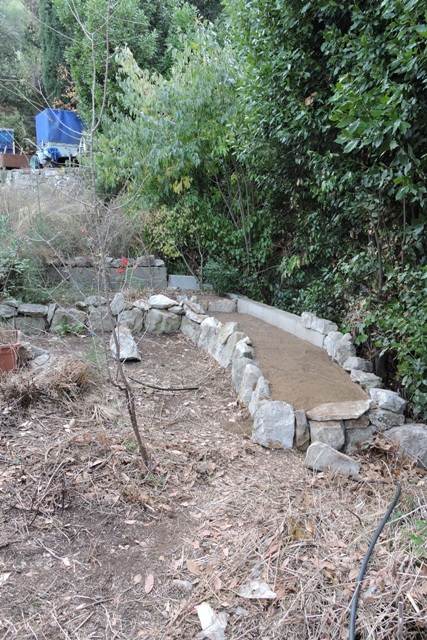
I have had a number of plants which I wanted to plant out there, so this week, enjoying the warm sunshine – until it dips behind the southern hill – I’ve planted some of the potted up specimens I have had waiting.
One of the nicest is a spring flowering and highly scented Chimonanthus praecox, also known as Wintersweet.
Planting it strategically where it is in some shade, I want to keep it to a 2 metre shrub, rather than the four or more metre tree that if left alone, it can grow into.
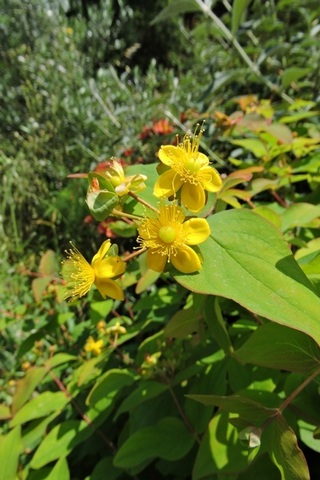
I moved a Hypericum, or Rose of Sharon, from under a gently spreading Madagascan Buddleja tropicana and also planted a pink Nicotiana which I have been growing in a pot.
The Nicotiana grow wild here, although they are not native to the Mediterranean. They are a very important food plant for moths, especially the Tobacco Hawkmoth. There are some cerise flowered varieties nearby and I would like to get one of those growing too, because of their flower colour.
I also had a winter flowering Bergenia crassifolia ready for planting.
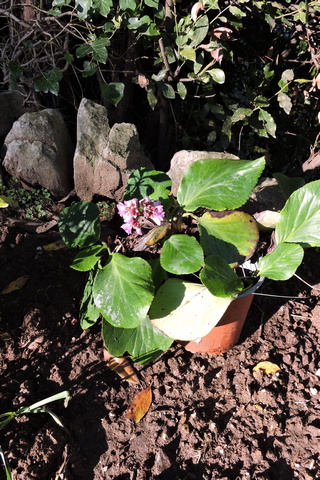
This should spread well as ground cover and help suppress the weeds.
When I was at the Tommy supermarket this week, they had a tray of Lychee or Soap Berry, Litchi chinensis. I have only seen them here very occasionally and priced at €7.50 a kilo, they are expensive. I bought a few grammes because I like the fruit, but also I want to try and grow some from seed.
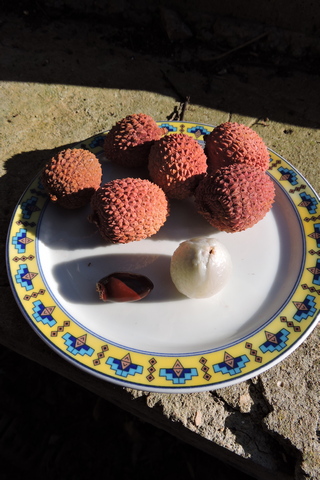
The translucent fruits are very juicy and have a large stone in the centre. They have a flavour of Rose Water or Turkish Delight.
As our climate changes, I continue to try new plants, which are more usually found in warmer climates.
Lychee’s are usually grown in Indo-China, however they will grow in a USDA zones 10 and11. Dol is in zone 9B/10A, so right on the borderline at the moment. But that isn’t a reason to not try things.
So as soon as I have eaten the fruit, I will be soaking the stones in warm water, in my propagator, until they germinate.
And so the gardening year has begun again…. NCG