It’s winter!
This week: It’s winter!; Burning wood; In the orchards;
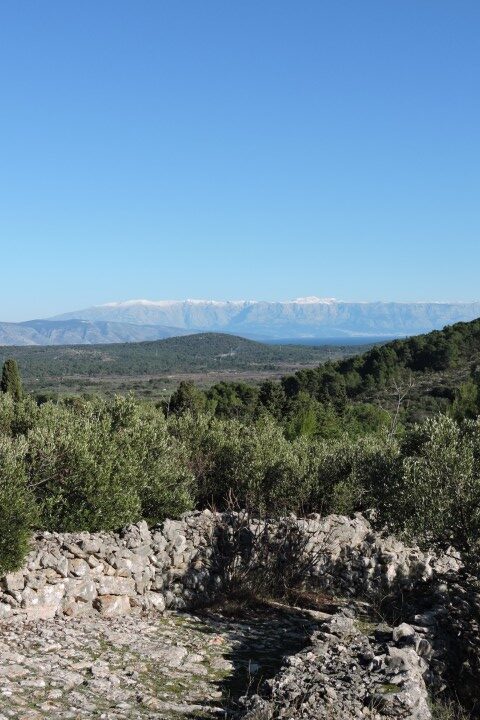
Today is cold again. That raw, damp cold we get here in Dol in winter.
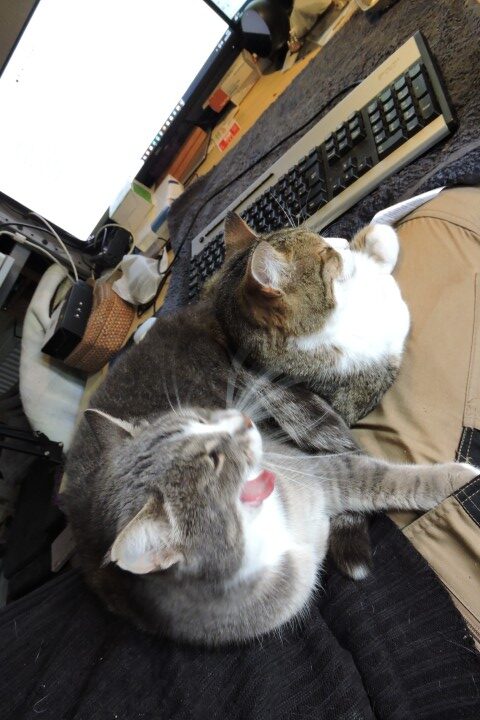
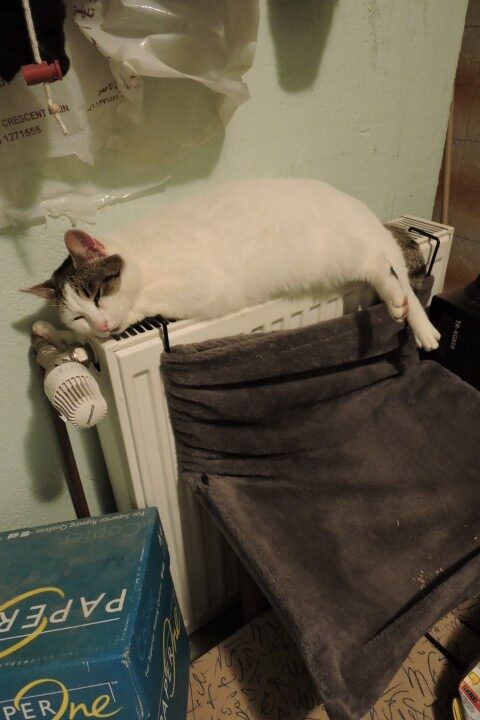
I have two felines on my knee and others dotted around, anywhere where it is warm. They all have their own favourite their spots, but don’t argue over who gets which comfy bed.
Looking back over the week, because of bad weather, I’ve spent a lot of time doing online research. A chance comment over New Year about a police box in Scunthorpe, reminded me that one of the projects on my list is researching the police pillars and boxes in Scunthorpe.
Say the name “Scunthorpe” and it conjures up images of a grimy, industrial northern town. I was stationed there for a while, and whilst the only industry is steel making, it is actually a town filled with green spaces and trees.
When I worked there, I had no idea that there had once been an extensive system of pillars, used for communications before police had personal radios.
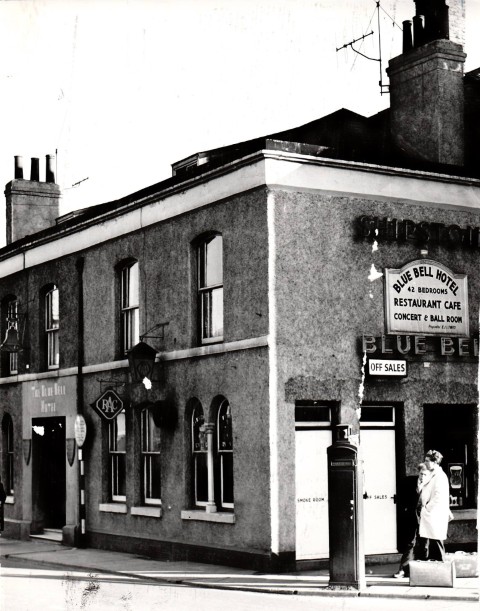
This week a retired officer contacted me with his recollections of using the pillars and boxes. In particular the one outside the Blue Bell pub, on High Street.
There had been an Iron foundry since 1864, but the town only began to grow following the first blast furnace being built in 1888.
It was a violent place and even in the 1960’s policemen making a “point” at the pillar outside the Blue Bell Inn on High Street, were instructed to stand on the opposite side of the road, because waiting by the pillar outside the pub door, could lead to violence from inebriated pub goers…
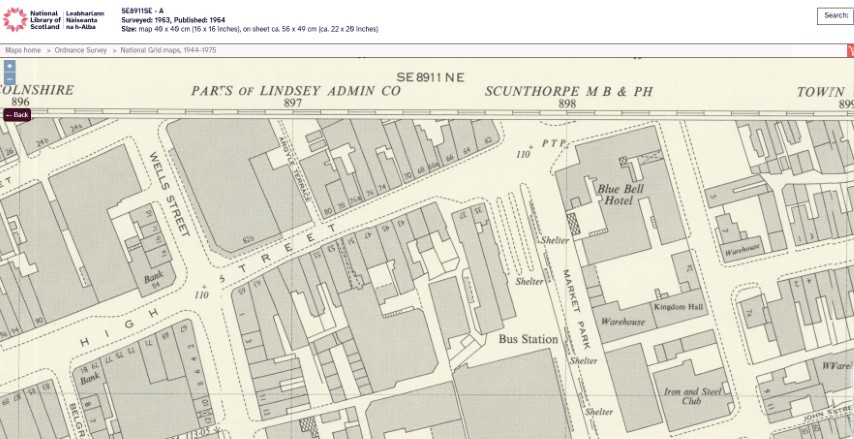
I would recommend to anyone researching anything about the UK and/or commonwealth, to start with the online maps held by the National Library of Scotland.
This resource has millions of pages of maps, at every conceivable scale, available on-line, free of charge.
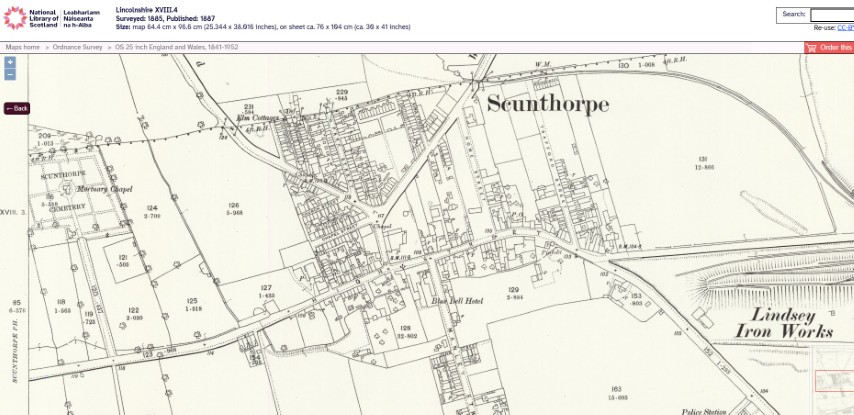
It is the first place I go to when I am looking for information. In this case, police pillars are marked as PTP (police telephone point), and boxes as PCB – Police Call Box.
So even when it is too wet and miserable to do much outside, I can still find plenty to occupy my time.
It’s winter!
It is definitely winter at the moment!
Since last Saturday, Thursday was cold and sunny. However on Sunday we had 39mm of rain, on Monday we had 19mm, on Tuesday there was 16mm, Wednesday and Thursday were dry, then Friday brought 3.1mm and today 10.1mm. So a total of 87mm or 87 litres per square metre of ground.
Once again it is the Jet Stream, that high level circum-polar wind which affects all the northern hemisphere weather, which is wandering again.
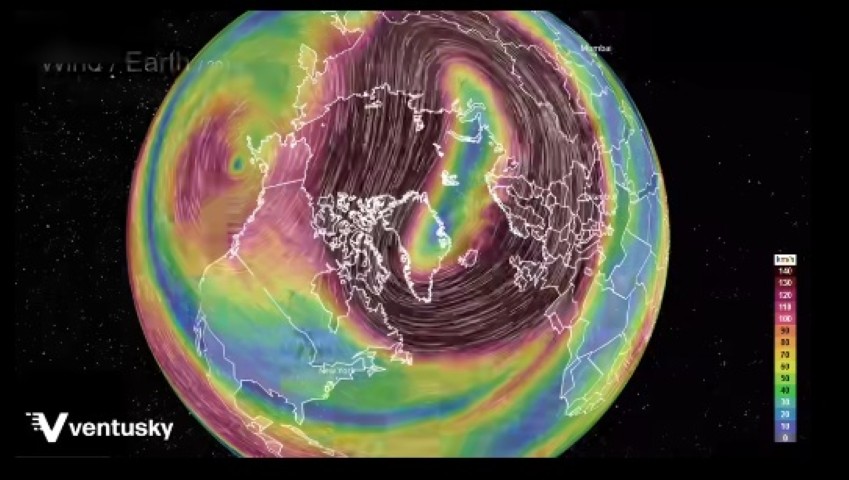
The strength of the Jet Stream varies. A strong circumpolar Jet Stream keeps bitter cold Arctic air within its vortex. When the strength of the Jet Stream decreases, it can start to meander, moving further south, looping and even breaking.
A large meander has even been given the name a Rossby wave.
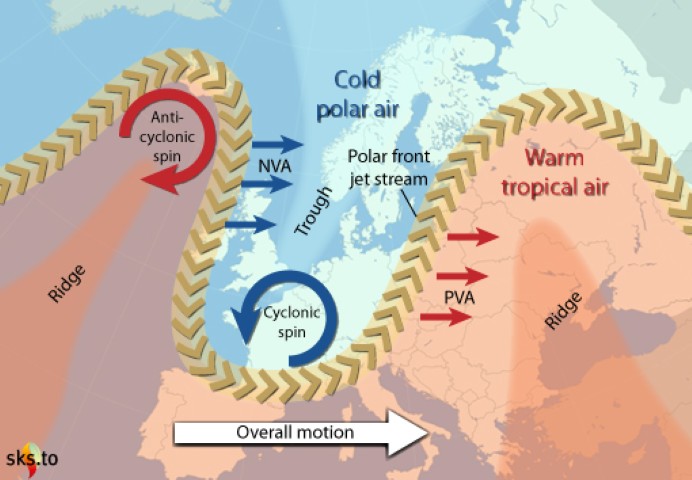
What we are experiencing at the moment is the breakdown of the of the Jet Stream into two separate loops.
The circulation over Europe is dragging cold air much further south than normal, although this is not exceptional. At the same time warm North African air is trying to push north.
The southern Adriatic is right on the boundary of the warm and cold air, so we have one or two days of very cold weather, with milder, wetter days on either side.
What is noticeable is that the days are lengthening, the sun is rising earlier and setting later, so spring is on the way.
Burning wood
I have had some difficulty with my wood stove over the past week.
Having spent time and effort in the autumn wrapping the outside flue with insulation, earlier this week I had a couple of nights where the fire was very “sluggish”, even almost going out.
I now think this was being caused by outside atmospheric conditions, because by the end of the week, the wood stove is heating the central heating well and I have the air vent almost closed.
I’m burning mixed fuel. I start the fire with very dry kindling, under pine sticks, with logs on top.
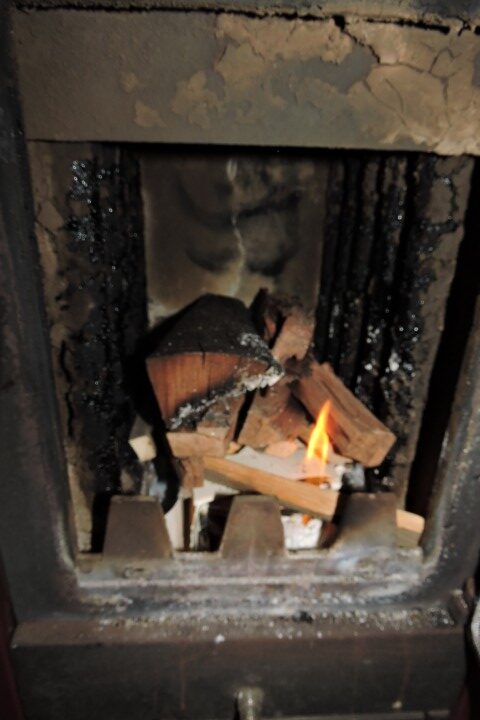
Once the fire is going well and the flue has warmed through, I turn off the chimney fan, close the air vent and let the fire become self sustaining.
This week I used the last of my supply of cut dry kindling.
I have a few old, dry pallets, so with the sun shining on Thursday, I cut one into small pieces.
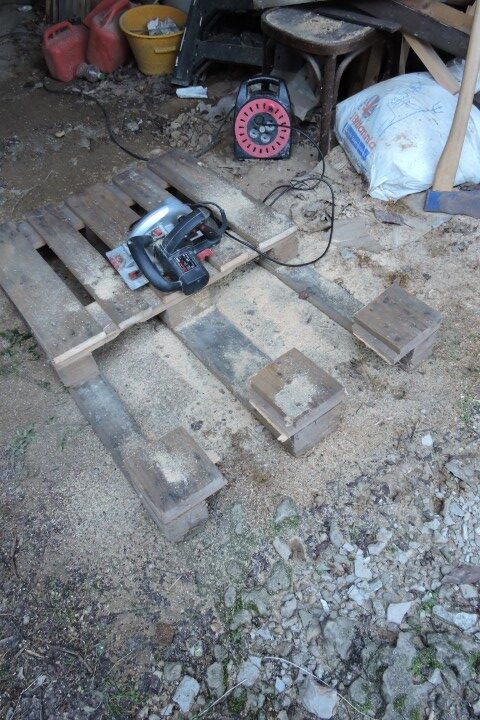
Pallets come in different sizes and qualities. This one is a heavy duty pallet, old and riddled with nails.
There are a number of saws that I have for cutting wood, depending on the wood I am cutting.
In this case the most appropriate is an electric circular saw.
Cutting up two or three pallets each winter, I have developed a way to quickly reduce a substantial wooden pallet into burnable pieces, with a minimum number of easy cuts.
After reducing the pallet to small chunks, I stacked the wood and used some of the larger pieces to keep my home nice and cosy on Thursday night, when the outside air temperature dropped to 0.1°C.
In the orchards
I don’t like cold weather. Especially the overcast, damp, miserable cold we have experienced since mid-December.
Between periods of rain, I’ve been in the orchards. On a miserable winter day, I need wellies because everything underfoot is so wet.
Our wet weather means that my heavy clay loam is too wet to dig, but the weather has not stopped the weeds growing.
The east orchard, which has lain fallow for probably forty years, has a dense mat of one particular weed. I don’t know its name, however the leaves are reminiscent of creeping buttercup.
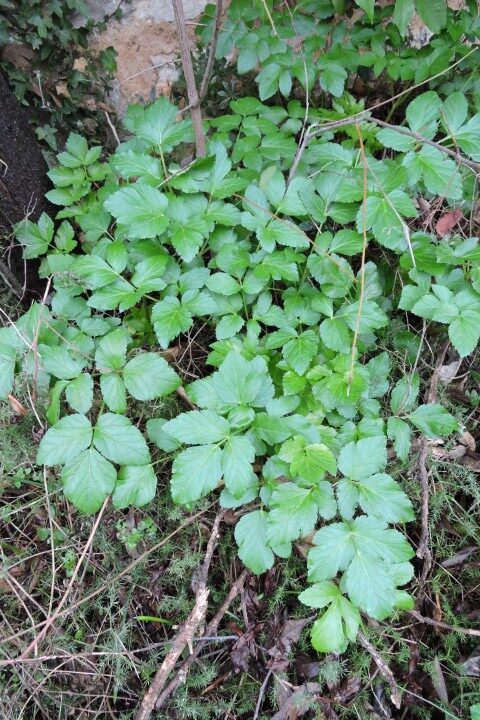
This weed has taken over the whole orchard and it is growing and sprouting, even in the middle of winter.
Last year I spent ages individually cutting the flower spikes off as they appear, to stop them seeding and spreading. However they are deep rooted and seem to spread underground as well as by seed.
They are a typical successful weed that I see everywhere around my home. Left unmolested, they reach a heigh of around a metre (the flower spike) and crowd out every other plant.
I really want to both get on top of and keep on top of this orchard. I made a lot of inroads last year, but there is still a lot to do.
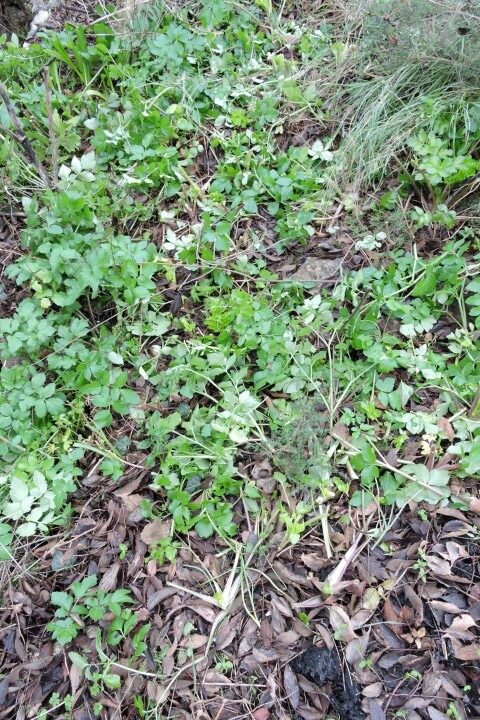
At one end I planted some Feijoa fruit trees and have protected the soil around them with cardboard. But throughout the orchard there are Nettle Trees growing, Celtis australis.
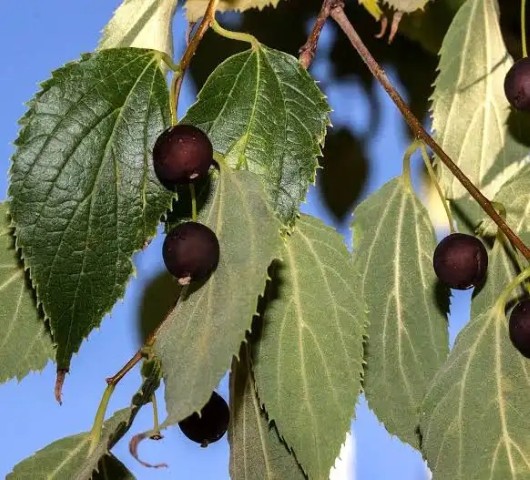
This is a local “weed” tree and I have a large specimen growing out of, and slowly destroying, an old stone wall. In the autumn the tree is covered in black fruits, loved by birds and spread everywhere by them.
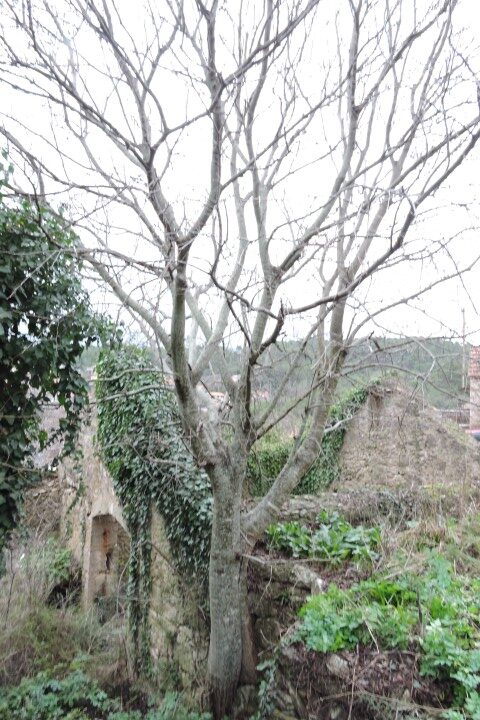
I need to reduce the size of this tree, before the sap starts rising. However at the moment the weather is not conducive to start reducing the tree. Left unchecked Nettle Trees can grown to 25 or thirty metres tall.
In the understory, the Hyacinth are everywhere, so I have been cutting the weeds back by hand, in the hope that I can reduce their vigour, whilst avoiding the Hyacinth.
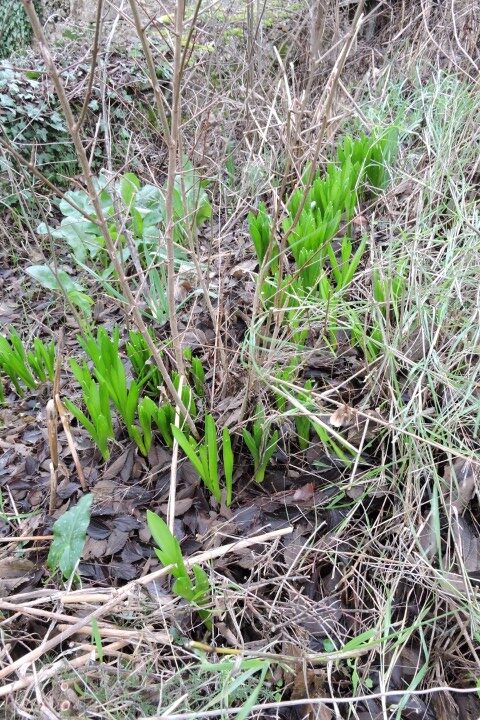
It really is not much fun working outside at the moment, however I need to get on and do things, regardless of the weather.
Warm weather cannot return soon enough for me…. NCG
P.S. I still have two felines on my knee!