Bee orchids
This week: Easter rituals; Bee orchids; My Bluebell Wood;
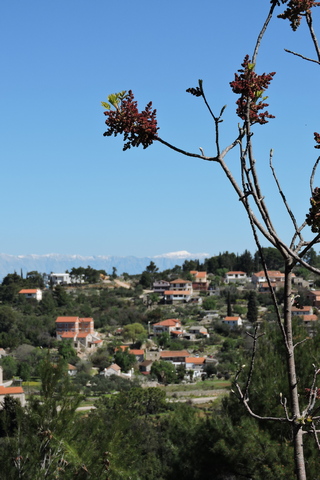
It’s Easter, so in the shops there are East Eggs and chocolate bunnies. I didn’t need to buy any because I have my own “Easter bunnies”…
And a very Happy Easter to you too!
We have had some really awful weather this week. The problem has once again been because of a break in the northern Jetstream.
Instead of a single circumpolar band of wind, the Jetstream has broken into two separate loops and one has been funnelling bitterly cold air across all of Europe, reaching even as far as the southern Mediterranean and North Africa.
At the start of the week, there were weather warnings from Morocco to Libya of intense cold, with temperatures 20°C below normal. For the Adriatic, the warnings were for severe Bura conditions, with tornado warnings for the Southern Adriatic and Ionian sea.
Here in Dol we missed the worst of the weather, by a long way. The Catamaran crossings were cancelled, but the huge car ferries still ran, albeit to a reduced schedule.
On the island of Rab, in Istria, hurricane force sustained winds were felt, with a gust measuring 192kph being recorded.
So on the 1st April, it was just 12°C here in Dol, but today (Saturday) we have had the warmest day of the year so far, at 21°C.
With a cold wind howling through my courtyard, I really haven’t done a lot outside.
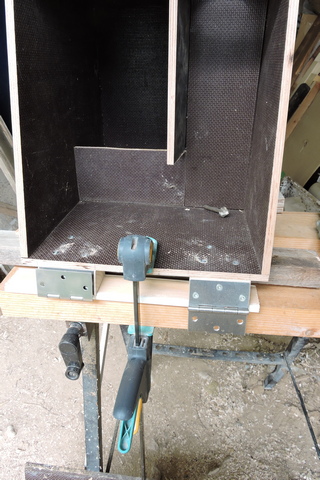
I did attach the hinges to the lid of the Owl box, however I need some metal fittings from Split to finish the project, so it will be another week before I actually attach it to the wall.
On Sunday I did hear the first Scops Owl calling, so the early birds have arrived after their journey from sub-Saharan Africa. I hope the bad weather this week has not caused any casualties to our migrating birds.
Usually I have seen Barn Swallows by now, but they have yet to arrive.
Easter rituals
Several ‘Za Križen’ processions take place on Hvar on Maundy Thursday and Good Friday in Easter week. One goes from St Michael’s Church in Dol down to Stari Grad and back, starting between 03:00 and 04:00 on Good Friday morning.
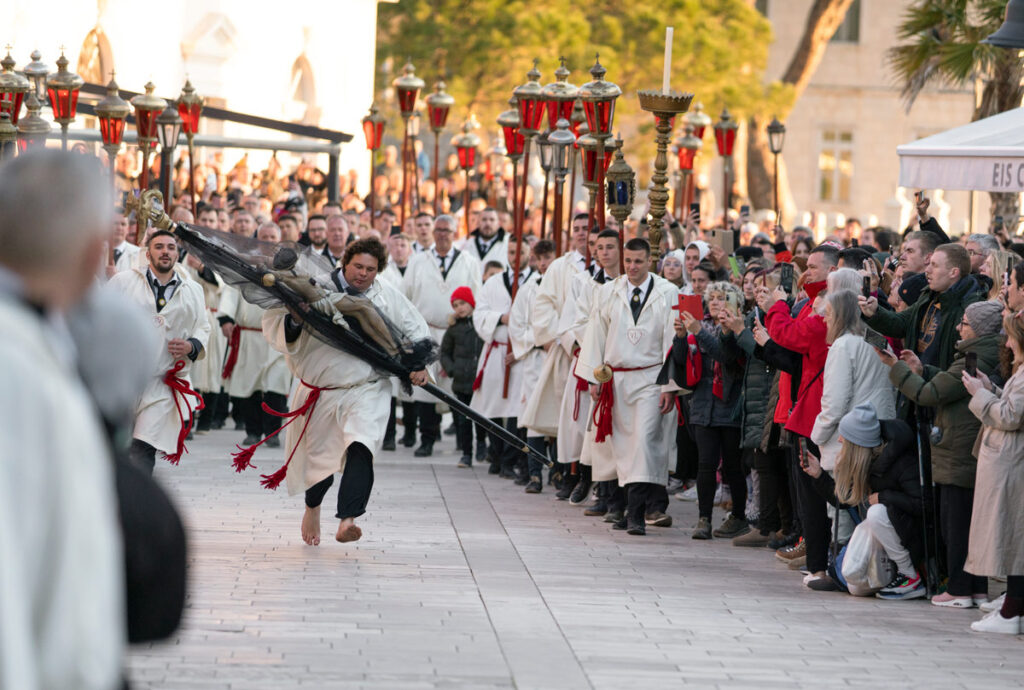
However the largest and best known procession starts in Jelsa and winds its way around five villages, returning to its start pont, a distance of 19 kilometres, with the cross-bearer walking barefoot throughout the procession.
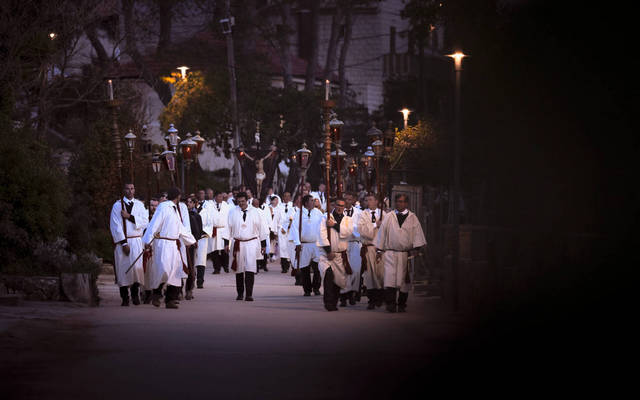
This procession has been recognised by the UNESCO as Intangible Cultural heritage.
This year, a new website all about the ‘Za Križen’ processions is available on-line.
The weather was especially unkind overnight Thursday into Good Friday, with a strong and bitingly cold Bura wind blowing.
Another Easter ritual, less formal, but observed by just as many good folk on the island, is the visit to the garden centre!
A lot of visitors arrive on the island for Easter and people who own second homes here like to stock up on plants.
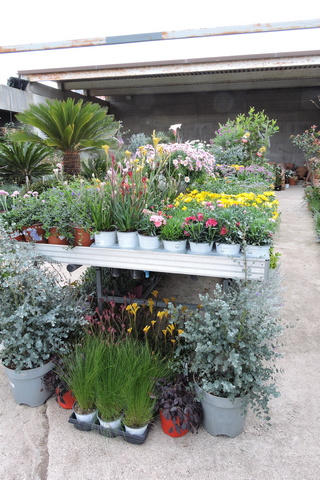
I visited the local garden centre on my way to the Supermarkets in Jelsa. This year the garden centre has a lot of really nice plants.
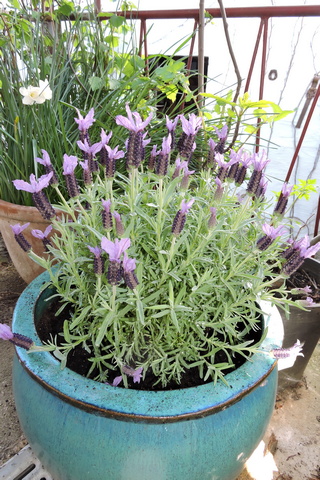
I came home with a Spanish Lavender, Lavandula stoechas. I have planted this in a nice glazed pot on my patio.
There were a number of plants I didn’t recognise, so I photographed the labels.
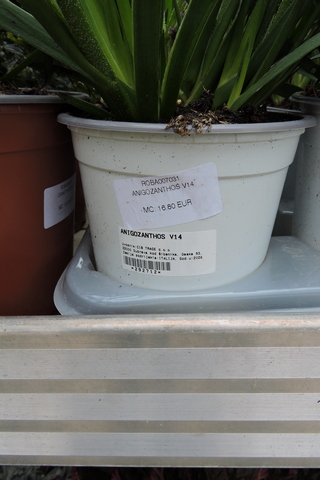
One was “Anigozanthos”, which when I looked it up on line, has a common name of Wallaby paw or Kangaroo paw, and are members of the bloodwort family, from Australia.
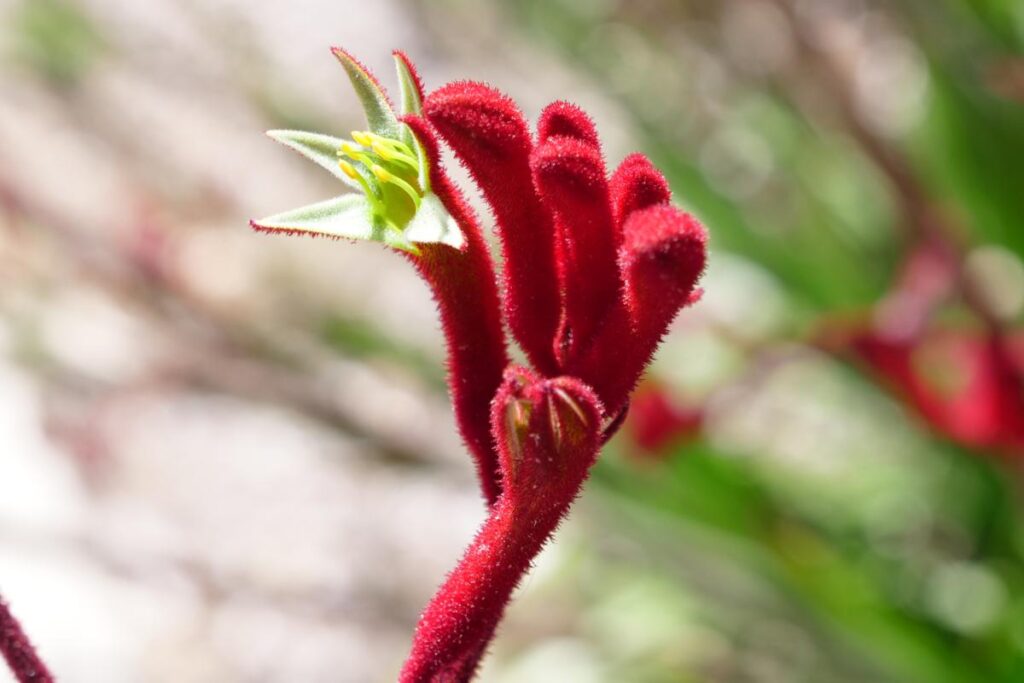
They had really striking flowers, so I looked them up to see whether they are indoor or outdoor plants for my part of the world.
I’m pleased to say that after some extensive reading, they are suitable for USDA Zones 10 through 11. My home is in 9B to 10A, so I am happy that with a little care, I can get them to grow.
I looked in my Sunset Western Garden Plant Book, which told me that they will grow in zones 15 to 24.

My home is within sunset zones 19 – 21, so I am well inside their preferred climate. I prefer the Sunset zones to USDA zones, because they are not just about winter chilling, but also include summer heat and precipitation.
I need to go on Tuesday and buy a couple of Kangaroo Paws!
Bee orchids
I have continued looking for orchids on my regular walks through the Maquis.
In the space of three days, when the cold Bura was blowing at its worst, and the return of sunshine on Saturday, the first Bee orchids have appeared.
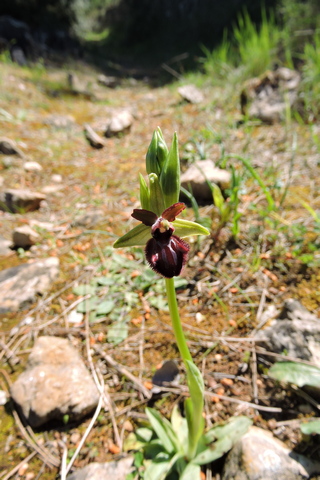
One good thing was that a third Violet Birds Nest orchid flower spike has appeared. So now there are three flower spikes in an especially secluded area of Maquis close to my home.
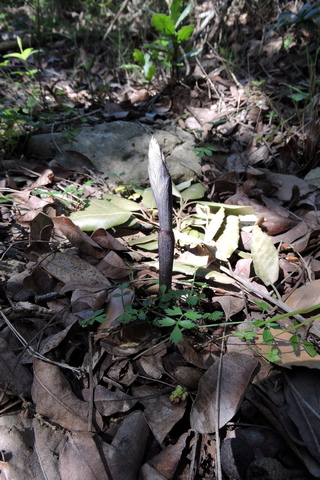
I wrote last week about their 8 year underground life, but I am pleased that another flower shoot has appeared. There are not as many shoots as I have seen in previous years, but it multiplies the chance of these three flowering and setting seed.
Walking further along the old path I could see a number of new orchid flower spikes.
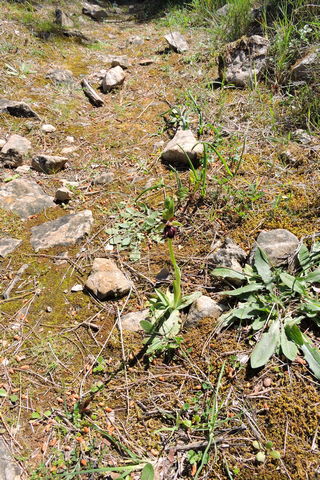
These are Bee orchids, Ophrys incubacea, which can be identified by the six or more flowers on each spike and the very frilly edges of the coloured lip/labellum of each flower.
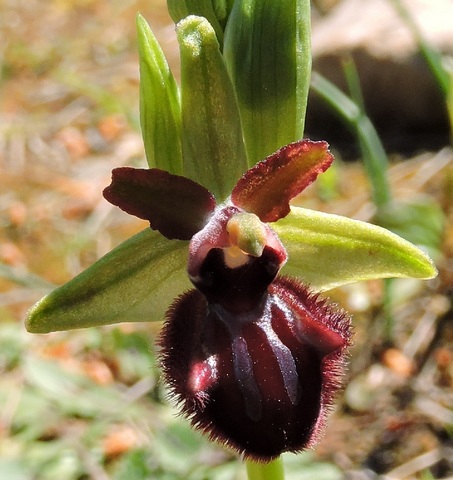
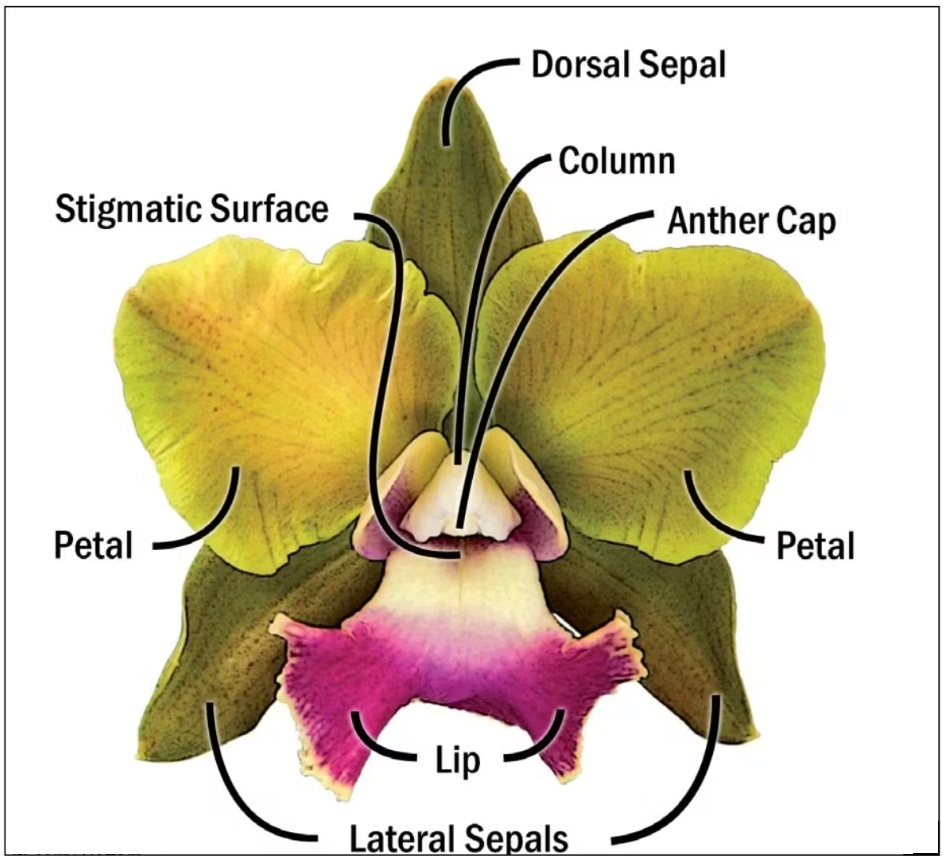
The Bee orchid is a bulbous geophyte, a perennial plant with an underground storage bulb, necessary for overcoming the Mediterranean summer season, characterized by extreme heat and the absence of rain.
Dol is at the eastern most range of this species of bee orchid, where it grows in high calcareous soils, open Maquis and Garrigues, open clearings and by the side of paths and tracks.
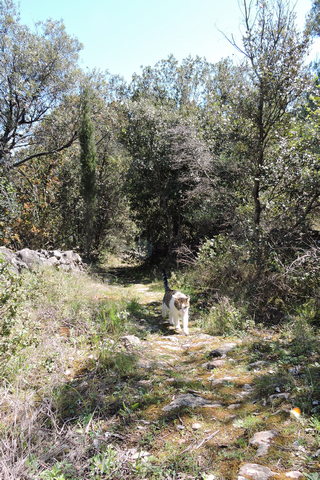
The London Natural History Museum has published a guide to identifying orchids, available for download here . This does not cover every European orchid, but a number of orchids can be found across the continent.
The Early Spider orchids which were in flower a month ago are starting to fade. I’m pleased that all 100 or so flower spikes seem to have survived long enough to set seed.
My Bluebell Wood
In a corner of my citrus orchard, I have a slowly spreading patch of Spanish Bluebells, Hyacinthoides hispanica, which are at their best this week.
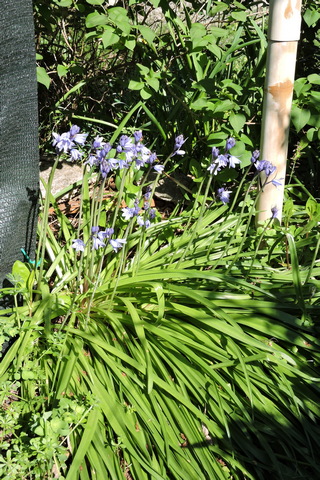
Contrary to their name, they actually came from the UK and each year their numbers slowly increase. I will never see them spread to cover the orchard, more’s the pity, but for me they are my “Bluebell wood”, between a Lime and a Lemon tree.
Also in flower at the moment are my Honesty plants, Lunaria annua. These are a bi-annual member of the cabbage family, whose seeds came from deepest, darkest North Yorkshire, but the plants themselves are actually Mediterranean natives.
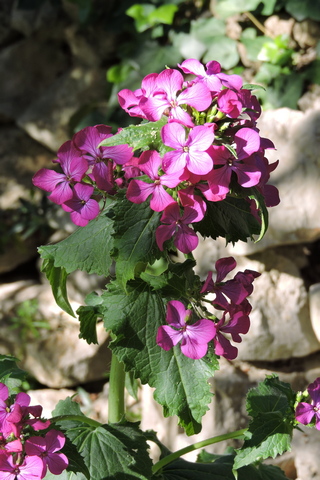
The yellow Cleopatra butterflies seem to really like Honesty. While I was taking the photograph no fewer than four butterflies were visiting the flowers.
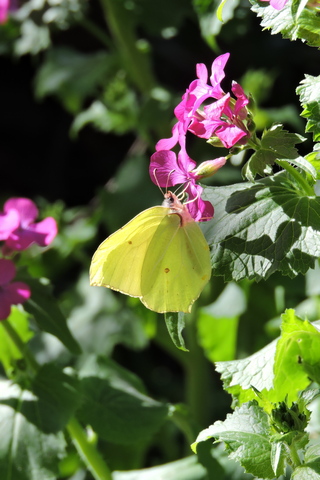
I also have a patch of wild local Honesty. They are yet to flower and have less vivid and more pink flowers.
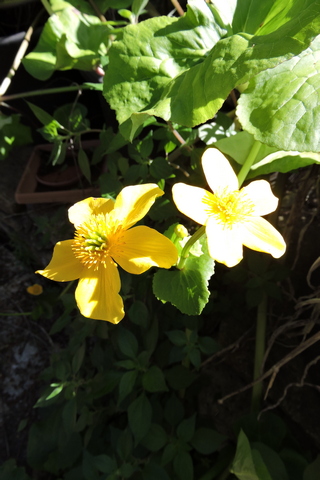
Also at their best week are my Marsh Marigolds.
I have been worried all week about the cold winds because my cherry trees have reached peak blossom.
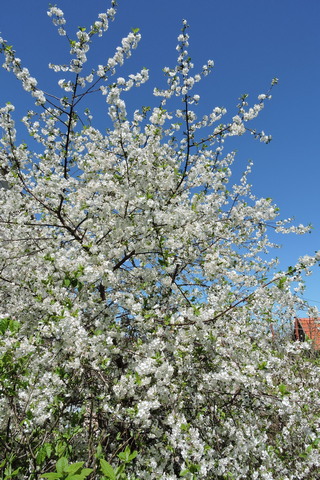
This is a Morello cherry, which is completely covered with blossom, together with bees and butterflies feeding on the nectar and spreading the pollen.
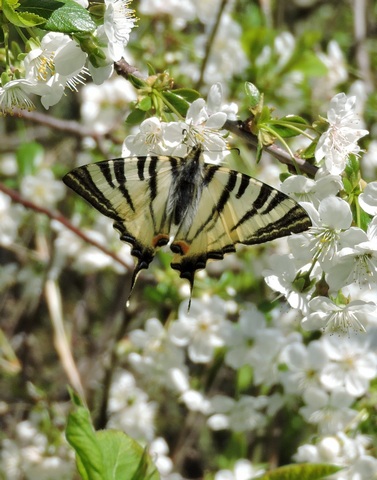
The first of this year’s Swallowtail butterflies were busy visiting the flowers and spreading the pollen.
At the other end of my home, in the top orchard, the sweet cherries are also in full blossom.
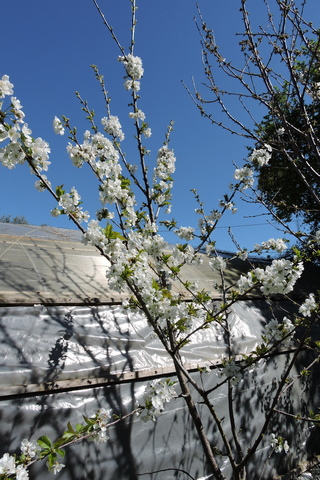
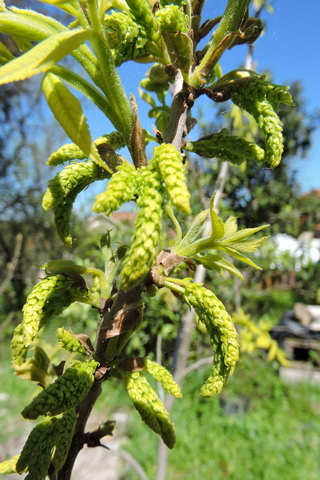
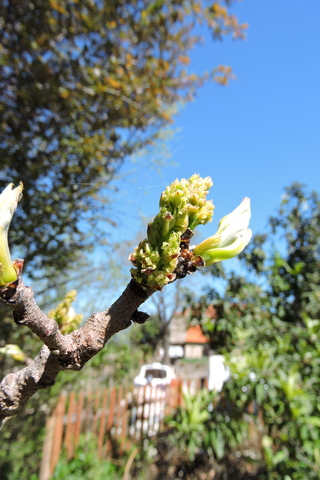
Also this week, the flowers have appeared on my Pecan and Pistachio trees.
I hope that most of these flowers will set fruit. if so I will have a bumper crop of cherries at the start of June and nuts in the autumn. NCG